

Theme: Precise Regulation of the Catalytic Microenvironment Enhances the Efficiency of Artificial Photosynthesis
Speaker: Prof. Tongbu Lu
Time: 10:00-11:30, Tuesday, May 7, 2025
Host: Prof. Licheng Sun, Chair Professor of School of Science & Director of CAP, Westlake University
Venue: E10-201, Yungu campus
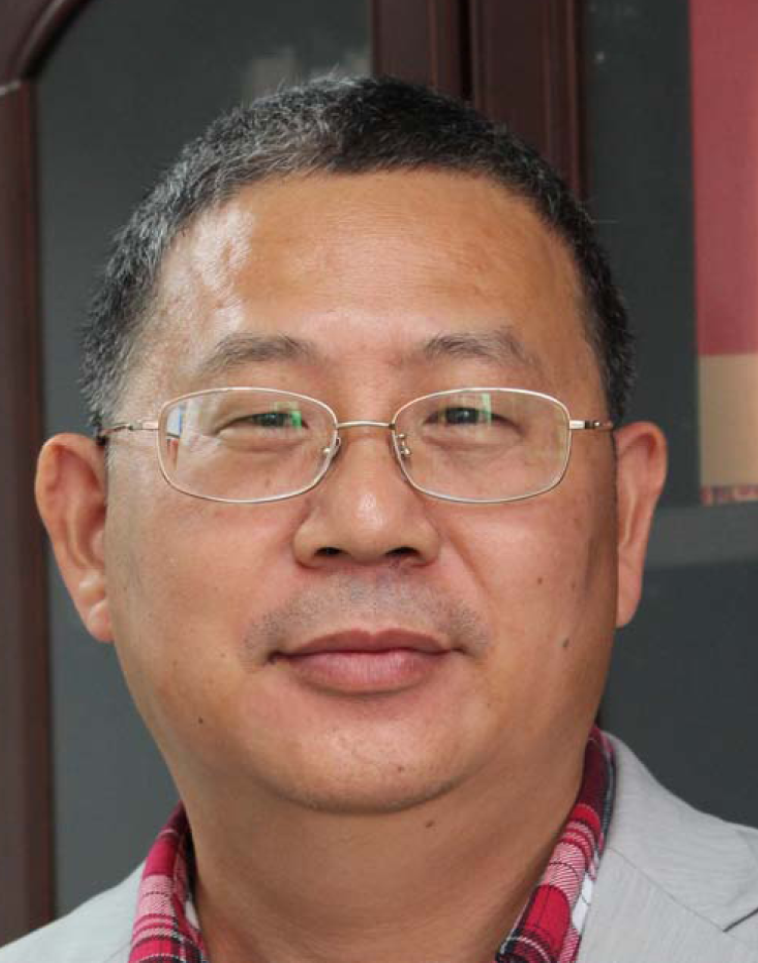
Prof. Tongbu Lu
Tianjin University of Technology
Speaker:
Professor Tongbu Lu primarily focuses on catalytic systems for artificial photosynthesis. He has successively led key projects including the National Key Research and Development Program, the National Science and Technology Major Project, the National Science Fund for Distinguished Young Scholars, and the National Natural Science Foundation of China (NSFC) Key Program. To date, he has published over 390 papers in leading domestic and international journals such as Nat. Catal., Nat. Synth., J. Am. Chem. Soc., Angew. Chem. Int. Ed., Nat. Commun., and PNAS, and has obtained 35 authorized Chinese invention patents. In 2006, he received the National Science Fund for Distinguished Young Scholars. In 2013, he was awarded the second prize of the State Natural Science Award (ranking third). In 2022, he received the first prize of the Tianjin Municipal Natural Science Award (ranking first). He has also been honored with the National May 1st Labor Medal, the title of Tianjin Municipal Model Worker, and the Outstanding Science and Technology Worker of Tianjin. Currently, he serves as a Fellow of the Chinese Chemical Society and a Fellow of the Royal Society of Chemistry, the Director of the Carbon Dioxide Specialized Committee of the Chinese Chemical Society, and sits on the editorial boards of seven academic journals both domestically and internationally.
Abstract:
Photosynthesis is the largest carbon-neutral pathway on Earth. Artificial photosynthesis involves the use of solar energy or clean electricity generated from renewable sources such as solar and wind power to drive the catalytic reduction of water and CO₂ into fuels and chemicals. However, the current efficiency of artificial photosynthesis remains low, primarily due to the synergistic constraints imposed by the light absorption efficiency of photosensitizers, the transport efficiency of photogenerated charge carriers, and the catalytic efficiency of the catalysts. Enhancing photosynthetic efficiency is therefore fundamental and critical for the practical application of artificial photosynthesis. This presentation will report on the latest advancements in improving the efficiency of artificial photosynthesis through precise regulation of the catalytic microenvironment.
Contact:
Xiaolin Xiang, Email: xiangliaolin@westlake.edu.cn